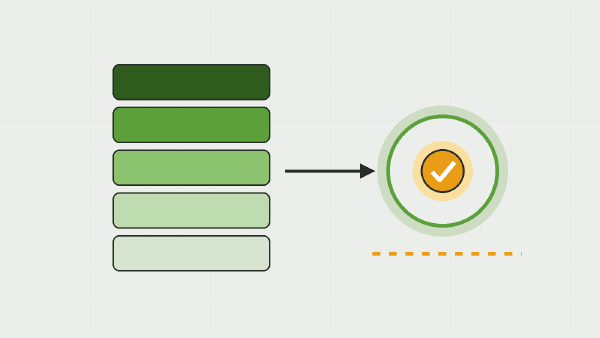
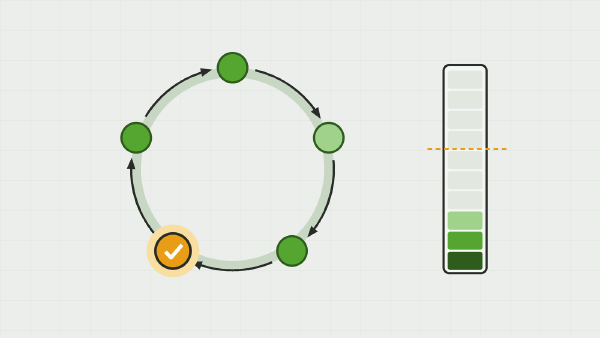
An app installed on the phone, with no account and no third-party service: 279 goals in nine blocking tiers, a level that drops when supplies expire, an inventory that computes the household’s days of self-sufficiency, and an offline Crisis screen for the day itself.
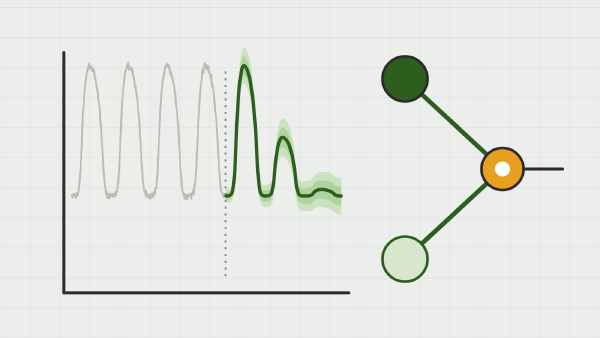
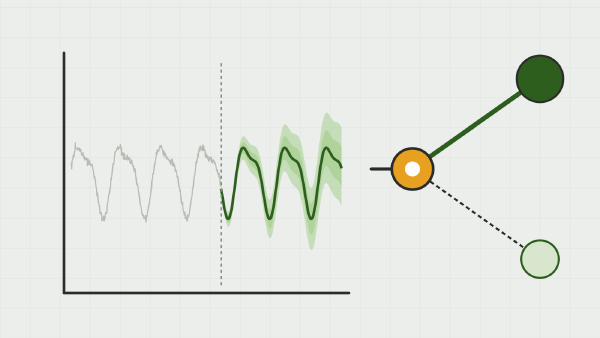
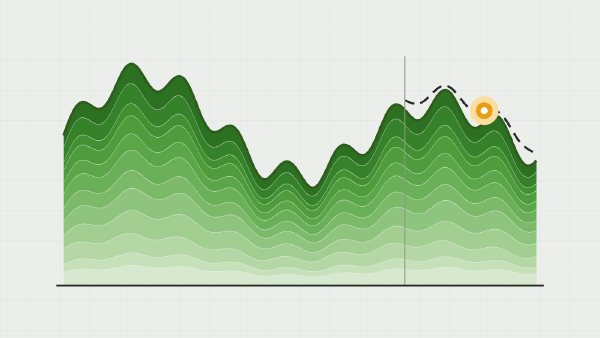
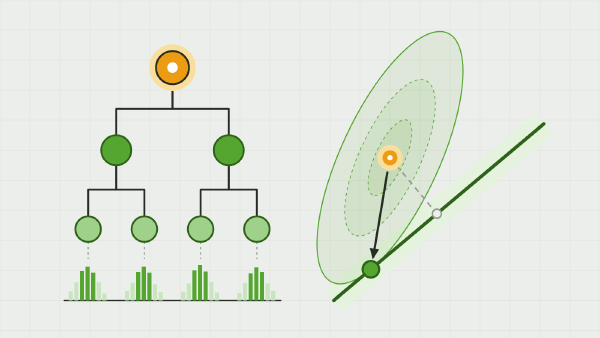
The TSFM tech watch applied to a fictional balance responsible party, on real public data: LightGBM, Chronos-2 and their blend against RTE’s day-ahead forecast, published and debiased. A 2.7% MAPE on the portfolio against 5.6% without a model, a router that does not beat the blend, a cold start handled by the naive forecast, Timestral and TimesFM 3.0 in an addendum, a Dagster service and its replayed monitoring.
When does a foundation model used without any training beat a model fitted on the series? What I observed over a year of French electricity load, with interval coverage and not only the mean error, then rebuilding a router between the two on 50 series.
The lever is no longer the prompt but the context: what goes in, when, and what is handed to mechanisms that do not depend on the model. My method, revised as of 29 October 2026.
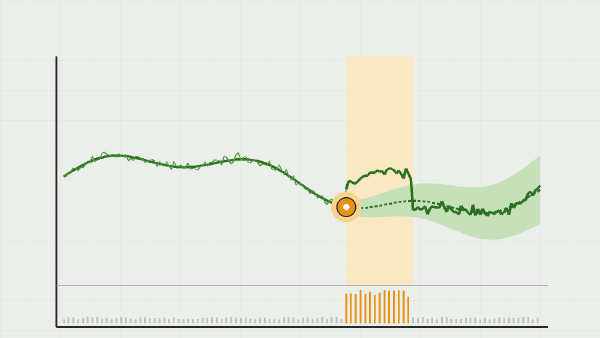
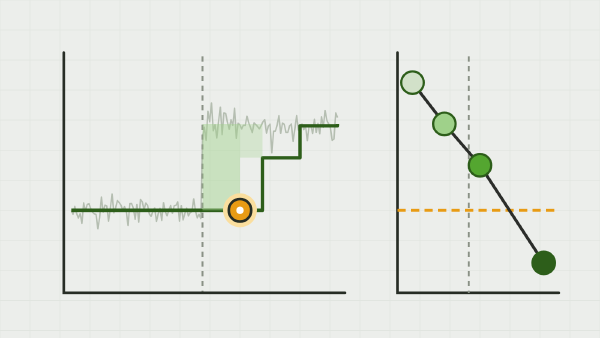
The BSTS counterfactual from the tech watch applied to the promotions of a fictional grocery chain on the Favorita data: campaigns detected rather than assumed, a donor registry, coverage measured on planted truth (0.83 to 0.90 against 0.5 to 0.7 for iid estimators), the earthquake as a test bench, Double ML, a Dagster pipeline and monitoring.
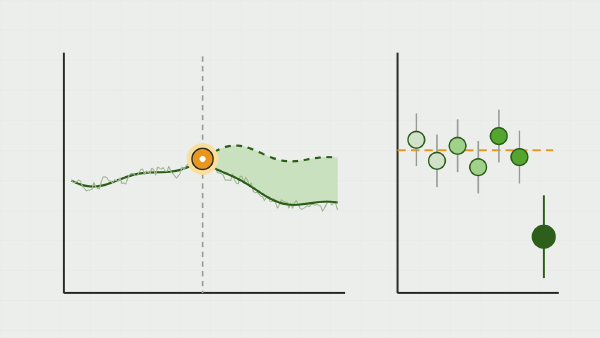
A counterfactual is a forecast. What I observed building one by hand, measuring its coverage on 100 panels with a known truth, planting four violations of the design, and applying it to Volkswagen’s share price after dieselgate.
Accuracy, freshness and stability don’t call for the same retraining frequency. What I observed on a ten-policy bench, an analytical model, the Monash electricity data and a causal simulation.
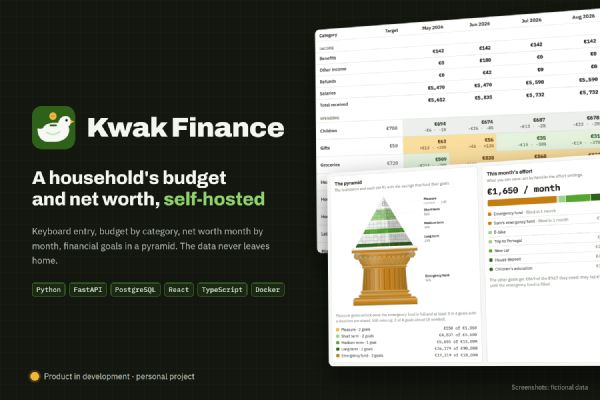
Self-hosted web app for household budgeting and net worth. Keyboard entry, fixed expenses, budget targets, reports, a monthly net-worth matrix, financial goals in a pyramid with their analysis; a Monte Carlo net-worth projection is on its way.
MinT rewritten from scratch, its assumptions tested one by one, and an éCO2mix mini-project (12 regions → France) where bottom-up beats the reference method, over 356 origins, two years and two base models.